
At Foothills Dentistry, we understand that a root canal procedure can be daunting. That's why our experienced team of dental professionals is committed to providing you with the most comfortable and pain-free experience possible. Our root canal treatments are designed to save your natural teeth and alleviate pain caused by tooth decay or infection.
We use the latest technology and techniques to ensure that your root canal is a success, and our team will work with you every step of the way to ensure that you feel confident and informed throughout the process. Contact us today to schedule a consultation and learn more about our expert root canal services.
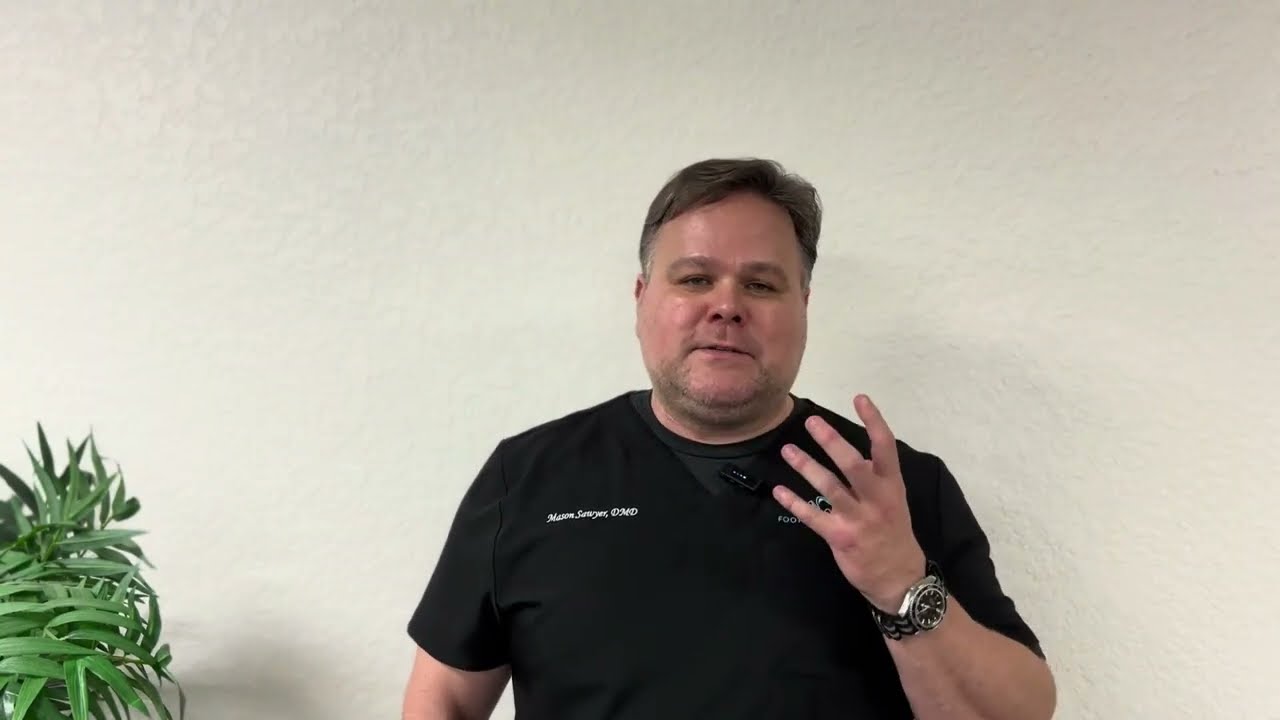
What is Root Canal Therapy?
Root canal therapy is where we go in, and as the name suggests, it involves the root canal. The nerves and blood vessels of a tooth are in this little canal, which is a tube in the middle of the tooth. When that nerve or that space, the tunnel, gets bacteria or infection in it, we have to clean it out.
We go in through the top of the tooth and basically flush out and clean all the bad bacteria and remove the nerve that's causing pain. We clean it very thoroughly with antibacterial medications. Then, we put medicine in there and a sealer to seal it off so it doesn't cause problems anymore.
What are signs you might need a root canal?
Some signs that you might need a root canal include nerve pain that's waking you up and keeping you awake at night. If you drink something cold and experience pain that lasts for more than 15-20 seconds, that's an indicator that you might need a root canal, if not now, at some point soon. Additionally, pain with chewing and swelling around the tooth are signs to watch for.
Can a root canal save a cracked tooth?
A root canal can potentially save a cracked tooth as long as the crack hasn't gone all the way to the floor and split the tooth in half. Often, the reason you need a root canal because of a cracked tooth is that the crack has reached the nerve space, but it hasn't gone through the entire tooth. We can clean the nerve out, and usually, you'll need a crown to hold the tooth together and prevent further cracking. Yes, a root canal can definitely solve the problem of a cracked tooth.
When is it too late to do a root canal?
It can be too late to do a root canal if the crack has gone all the way through the tooth and the tooth is split in half. You really can't save it at this point. I encourage patients to address smaller cracks with a crown or another restoration before they propagate and make the tooth unsalvageable.
Another reason we might not be able to save a tooth with a root canal is if there are very extensive cavities, meaning the cavities have extended all the way down to the floor of the tooth and under the bone. Once your tooth has decayed and become soft below the bone, it's really hard and unpredictable to restore it.
What happens during a root canal?
Generally, when you come in for a root canal, the first thing we do is get you numb, so you won't feel any pain. If you do feel pain because some people are harder to numb, let us know, and we'll ensure you're comfortable. The next step is to access the nerve by making a small hole in the top of the tooth. We then clean out that space with files.
Once it's cleaned, we'll use an antibacterial solution to ensure there's no bacteria left. Finally, we'll seal it off and use a new filling material to rebuild the tooth.
How long does a root canal take?
Root canal procedures generally last anywhere from 45 minutes for a simple front tooth to two hours for a more challenging posterior tooth. Molars can have up to five different canals, which are very small, sometimes as small as a human hair. This can make it harder for the dentist to find them, but generally, the procedure takes between 45 minutes and two hours.
Do I need a crown after a root canal?
It is highly recommended that every patient get a crown on posterior teeth. Posterior teeth encounter the most forces in the mouth, and once you've had a root canal, it weakens the tooth slightly. A crown surrounds the tooth, holds it together, and protects it from the top.
Are root canals safe?
Root canals are generally quite safe. There are risks involved, but we mitigate these by using technology like apex locators. We also take confirmatory X-rays after the procedure to ensure everything looks good, and there's no excess sealer. While generally safe, there are certain complications that can occur with any dental procedure.
What to expect after a root canal?
Generally, after a root canal, the pain you were experiencing will be greatly reduced, if not completely gone. Occasionally, you may have some soreness, which will dissipate over a day or two. If you experience excessive pain or sensitivity to cold after the procedure, please call us at the office, and we'll reassess.
For most people, pain is significantly improved after root canal therapy.
How to recover after a root canal?
The best way to recover after a root canal is to eat softer foods for a day or two to avoid putting pressure on the treated tooth. Take prescribed antibiotics as directed, and use Motrin every four to six hours to help with any discomfort. Other than that, there's not much else to do.
Schedule Your Root Canal with Foothills Dentistry
If you’re looking for dental care you can trust, call us at (706) 702-2771 or email [email protected]. We’re here to help you have the smile you've always wanted!